
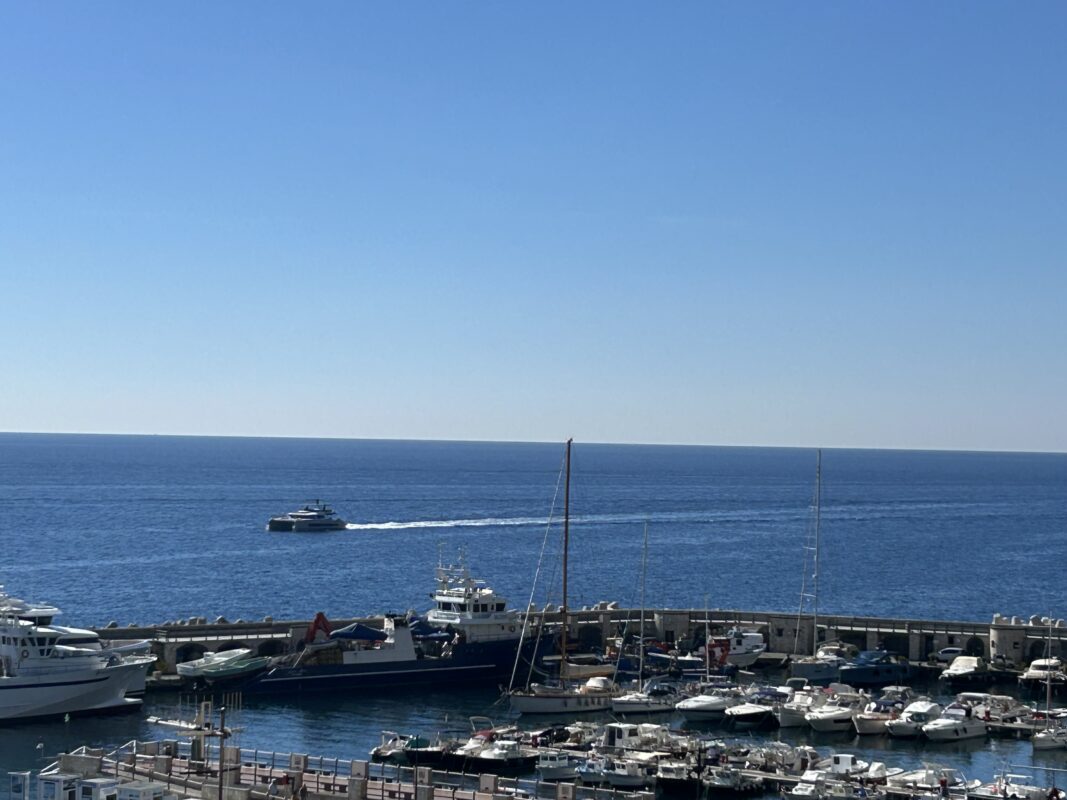
Some places tell their story through the landscape; others reveal themselves through their traditions. Cetara offers both: houses gathered around the waterfront, boats in the harbour, the church’s majolica dome, and a cuisine that preserves generations of fishermen’s knowledge. For guests staying at Villa Amalia, it is a destination well suited to a day of discovery, combining a stroll through the village, a swim, and a lunch featuring local flavours.
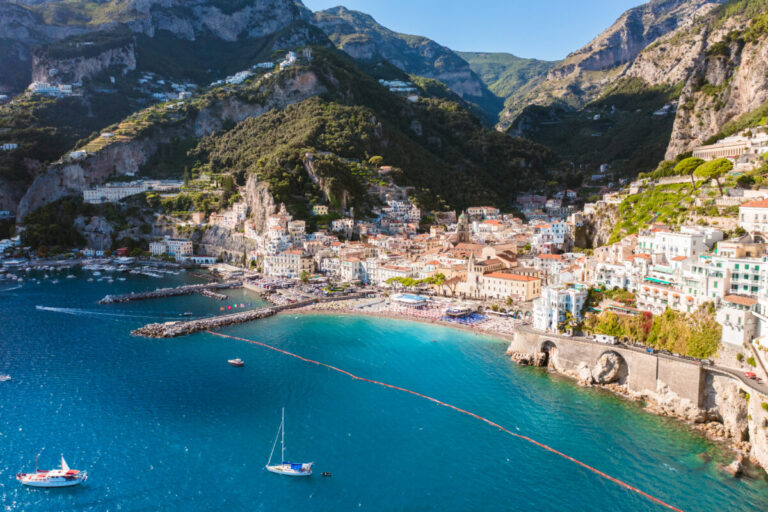
Nestled at the foot of Mount Falerio, between Vietri sul Mare and Maiori, Cetara retains a strong connection to fishing. The sea remains a workplace as well as the backdrop to everyday life, and this continuity gives the village its distinctive character.
A History Written on the Sea
The settlement’s origins are believed to date back to the Early Middle Ages. Cetara’s history is intertwined with Amalfi and the coast’s maritime economy: fishing taxes were documented as early as 1030, while the Church of Saint Peter was already in existence around 988. The village gradually developed around it, between the sea and the mountain slopes. Cetara’s historical background
The story of Cetara’s fishermen is one of skill, hard work, and journeys far from home. Knowledge of catching and preserving fish passed from generation to generation, supporting local families. In the twentieth century, some fishermen spent extended periods fishing in Algeria. Local accounts recall fishing communities along the North African coast during the 1920s and 1930s, where devotion to Saint Peter remained alive even far from their native village. The tradition of Saint Peter the Apostle
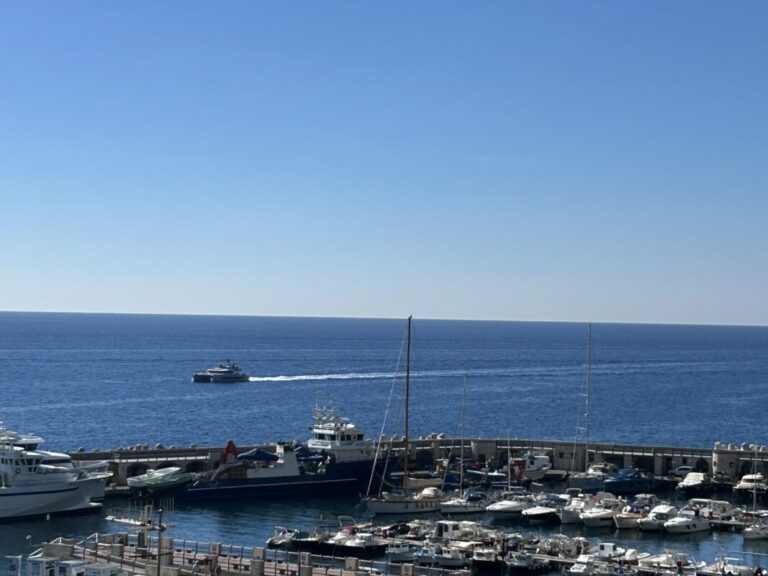
Anchovies and tuna remain central to Cetara’s identity today. Watching the harbour offers a glimpse into this history: behind each boat lies knowledge shaped by seasons, nets, patience, and familiarity with the sea.
Local Traditions: Saint Peter and Festive Meals
Devotion to Saint Peter the Apostle, the village’s patron saint and himself a fisherman, expresses Cetara’s deep relationship with the sea. His feast day on 29 June brings the community together through religious services, processions, and celebrations. Traditions surrounding the octave, eight days later, also connect the saint with the harbour and its boats. Festive meals include fish prepared alla scapece, with mint and vinegar, followed by spumone, a traditional frozen dessert. Patron saint celebrations and traditions
Another cherished custom takes place in family kitchens: spaghetti with anchovy colatura served on Christmas Eve. This simple dish carries the village’s collective memory, making a product of the fishing tradition part of one of the most important family gatherings of the year. Colatura in Cetara’s traditions
What to Eat in Cetara
The village’s signature flavour is Colatura di Alici di Cetara PDO, an amber liquid produced as salted anchovies mature. Often compared with Roman garum, it belongs to the Mediterranean’s long tradition of fish-based seasonings, while having its own distinctive characteristics and production methods. A small amount brings remarkable depth of flavour to a dish. The history and production of colatura
The essential first taste is spaghetti with anchovy colatura. In the traditional preparation, the pasta is tossed with an uncooked dressing of extra virgin olive oil, garlic, parsley, chilli, and colatura. A handful of ingredients creates a bold flavour, with its balance depending above all on the quality of the produce. The traditional recipe
The culinary journey continues with salt-cured anchovies, anchovies preserved in oil, tuna, tuna belly, and tuna bottarga, or cured roe. These specialities also tell the story of fish preservation: the methods coastal communities developed to make their catch last. A stop at a local food shop offers the chance to bring a delicious souvenir back to Villa Amalia. Products from Cetara’s culinary tradition
The Beach: The Sea at the Heart of the Village
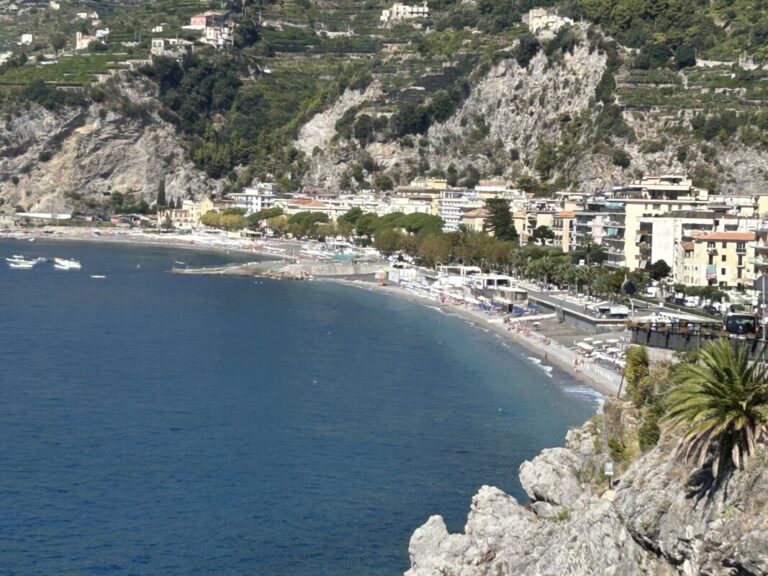
Marina Beach lies directly in front of the village, beside the harbour and the Viceregal Tower. This small beach combines sandy stretches with pebbles and is framed by colourful house façades. Its appeal lies in its closeness to village life: within minutes, you can move from the water to a leisurely stroll or a stop at one of the waterfront cafés and restaurants.
It is an inviting place to combine sightseeing with a little relaxation, with views of the tower and village houses forming part of the experience. During busy periods, arriving early makes it easier to enjoy this intimate setting at a quieter moment. Cetara’s beach and village on Italia.it
Cetara’s Architectural Treasures
The village’s most recognisable landmark is the Viceregal Tower, overlooking the sea. Its structure preserves an original Angevin section, later enlarged and incorporated into the coastal defence system against raids. Today, it houses the Civic Museum, allowing visitors to explore the building alongside artistic works connected to the surrounding area. The Viceregal Tower and Civic Museum
In the village centre, the Church of Saint Peter the Apostle deserves a visit for its dome clad in colourful majolica tiles and its Baroque interior. It is both a prominent feature of the landscape and a focal point of local religious life. Continue towards the Church of Saint Francis and the former convent, which offer further insight into Cetara’s religious heritage. The village’s architectural heritage
Between these landmarks, take time to wander: narrow lanes, steps, and glimpses between houses reveal how the village adapted to the limited space between the mountains and the sea.
How to Reach Cetara from Villa Amalia
From Villa Amalia in Cava de’ Tirreni, you can reach Cetara by car or private transfer, heading down towards Vietri sul Mare and then following the SS163 Amalfitana coastal road towards Cetara and Amalfi. This scenic route is best enjoyed at a relaxed pace; actual journey times depend on traffic and the season. On arrival, leave your car in an available parking area and explore the centre on foot. Villa Amalia’s location
To travel by public transport, first reach a suitable bus stop in Vietri sul Mare or Salerno, then take a SITA Sud bus on route 5120, Salerno–Maiori–Amalfi, which serves Cetara. Check the timetable for the day of your visit. SITA Sud route and timetables
A particularly scenic alternative is to arrive by sea. From Villa Amalia, travel to a departure point served by Travelmar in Salerno or Vietri, then continue to Cetara using the available ferry connections. Before setting out, check the departure port, outward and return sailings, and service conditions. Arriving by sea offers a memorable first view of the village, with its tower, beach, and houses clustered along the hillside. Travelmar connections and timetables
Cetara invites you to appreciate simple pleasures: a stroll along the waterfront, an open church, a plate of spaghetti with colatura, and boats moving through the harbour. For guests at Villa Amalia, it offers an opportunity to discover the Amalfi Coast through a community whose identity remains closely tied to the sea.